

Hot work operations such as welding, cutting, soldering and any activities that involve using open flames or excessive heat can cause multiple health and safety hazards. These activities also carry the threat of industrial fires that could be disastrous for your staff, your business premises as well as projects under construction.
Carrying out hot work activities safely is an important part of fire safety in the workplace, but to do so, you need to identify hot work hazards and control measures that will effectively reduce risks and keep workers safe.
In this article, we’ll explore types of hot work hazards and the control measures you can use to help keep your staff and workplace safe during dangerous activities.
Hot Work Hazards to Consider in Your Risk Assessments
Working with high levels of heat and open flames is dangerous, but you need to identify the exact hazards created by hot work activities in order to conduct a thorough risk assessment and implement effective control measures.
- Electrical Hazards — Most hot work involves using electrical equipment, so workers will face electrical hazards such as the risk of equipment short-circuiting, faulty wiring and the risk of shocks or even fatal electrocution.
- Exposure to Harmful UV or Infrared Light — Hot work activities such as welding can involve potentially dangerous UV or infrared light. If workers are exposed to these types of non-ionizing radiation, it can cause damage to their skin or eyes.
- Exposure to Dangerous Fumes — Hot work can produce dangerous fumes that pose major health risks for workers. Fumes can cause respiratory health conditions, burns, flu-like symptoms and damage to the eyes.
- Flying Sparks Can Cause Fires or Combustion — When hot work activities like welding are carried out, sparks can fly and these sparks can cause fires or combustion if they come into contact with flammable materials, debris or hazardous materials.
- Conducting Heat through Pipes — Heat can be conducted through metal materials like pipes and, when heat is transferred, it can come into contact with flammable, combustible or otherwise hazardous materials.
- Skin Injuries through Contact with Hot Materials or Equipment — If workers touch equipment, debris or surfaces that are extremely hot — or come into contact with open flames or sparks — they may sustain skin injuries like heat burns, friction burns or cuts.
The above are just some of the hot work hazards that might apply to your workplace. The particular hazards your workers face will depend on the people involved, the area where hot work activities are being carried out and any hazards that are specific to your equipment and workplace. Before implementing control measures, you’ll need to make sure you’ve considered all possible risks.
Hot Work Control Measures to Keep Workers Safe
Once you’ve identified the hot work hazards in your workplace, you’ll need to plan and implement control measures to make your workplace a safer environment and protect workers from harm and ill-health.
Just like hazards, the control measures you implement should be unique to your business operations and work environment. We’ve compiled some of the hot work control measures you might want to consider:
Avoid Hot Work Where Possible
Hot work is, by its very nature, dangerous. You won’t ever be able to completely eliminate the risks involved in working with excessive heat. So, where possible, avoid hot work completely. Consider alternative processes and activities that could have a similar result. For example, rather than welding, can you join items together using mechanical methods such as nuts and bolts or screwed fittings?
Prepare a Permit to Work
You are legally required to undertake all operations whilst demonstrating a safe system of work. Therefore, before you start any hot work activities, you should operate and prepare a hot work permit system. The permit should detail the work to be carried out, how and when it will be completed and which precautions will be taken to ensure that activities are as safe as possible.
The permit should be prepared by someone who has the relevant skills, knowledge, experience and training — and ideally someone who isn’t involved in the hot work that’s due to be carried out. However, you should consider input from all workers who will take part in hot work activities.
Clear the Area Where Hot Work Will Be Carried Out
A workspace that’s cluttered with unnecessary materials, equipment, waste or debris has a greater “fire potential” than a clean, tidy area.
By keeping the area where hot work will be carried out clear, you keep fire safety risks to a minimum. This control measure can also reduce other health and safety risks such as the risk of slips and trips, which could have disastrous consequences when coupled with hot work hazards. A clear area also enables workers to safely evacuate the building in the event of a fire.
Carry Out Hot Work in a Designated or Prepared Area
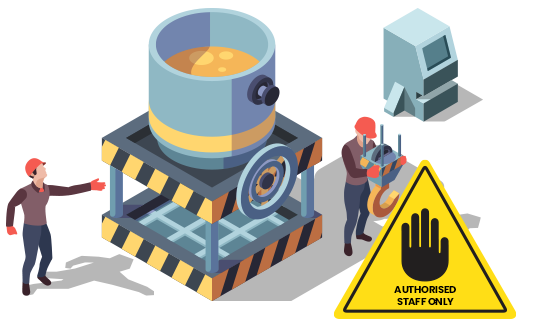 If hot work activities are carried out regularly by your workers, you may want to consider designating an area of your workplace for welding, brazing, soldering and other tasks involving heat or open flames. These areas should be designed to be as safe as possible, so flammable or combustible objects should be kept to a minimum and covered with protective, fire-resistant materials. It should also be possible to restrict access to these areas.
Having a designated hot work area can make it easier to minimise risks and eliminate or control hazards, but sectioning off a whole area of work isn’t always possible for many businesses. If hot work is being carried out in a general-use area, this should be prepared before work begins.
When choosing an area for activities involving heat and flames, avoid places where hazardous substances are stored, as these can further add to the fire potential of a workspace. If it’s not possible to carry out hot work away from hazardous substances, make sure you comply with COSHH regulations and ensure substances are stored safely and securely.
Ensure Those Carrying Out Hot Work Are Trained to Do So
The dangerous nature of hot work means it should only be carried out by those who have the skills, knowledge, experience and training to complete tasks to a high standard while implementing control measures and monitoring health and safety standards.
If there are no workers within your organisation with the necessary or desired level of competence, you may want to consider offering training to an individual or a group of employees. Alternatively, you could bring in an external contractor with the ability to complete hot work while effectively managing risks.
Monitor Gas or Vapour in the Area Being Used for Hot Work
Air that’s contaminated with gas or vapour can cause both health and fire risks. For example, some gases will be toxic, while others will be flammable or combustible. Workers should be able to monitor gas and vapour in the air to ensure that they are working in safe conditions. However, because gas can’t be seen, specific monitors will need to be used.
Improve the Overall Fire Safety of Your Workplace
Many hot work hazards tie directly into the overall fire safety of your workplace. For example, if the fire potential of your business premises is high, the risk factor of hot work hazards is increased. Similarly, if employees aren’t trained in fire safety, they may not know what to do in the event of a hot work incident. If there isn’t accessible fire safety equipment on site, workers may not be able to mitigate risks effectively.
One of the best ways to reduce hot work risks is to improve the overall fire safety of your workplace. Fire safety policies and procedures should be up to date, relevant and thorough. Workers should be trained to use fire safety equipment such as fire extinguishers and fire-retardant blankets. They should also be made aware of and trained to follow control measures such as smoke alarms, sprinklers and evacuation procedures.
Flame Resistant Garments and Protective Gear
As an employer, you’ll need to provide suitable personal protective equipment (PPE) for workers participating in hot work. This could include extraction equipment, fire-resistant garments, face masks, eye protection and other equipment designed to protect people from heat, sparks or hazardous fumes and radiation.
Source: https://www.chas.co.uk/blog/guide-hot-work-hazards-control-measures/